How Can I Tell If My Rolex Is Real at Home?
If you’re asking, “Is my Rolex real?” you can do a few sensible checks at home—but none can confirm authenticity on its own. A convincing counterfeit may copy the look, weight, and even some paperwork of a genuine watch. Meanwhile, a genuine Rolex can look unusual because of age, service work, replacement parts, or decades of wear.
As someone who has handled walk-in evaluations of inherited and found watches in San Diego, I recommend treating a rolex home test as a way to identify questions, not deliver a verdict. Don’t polish the case, remove the bracelet, or open the watch before an expert has seen it. Those steps can alter evidence, damage parts, or complicate an evaluation.
One question I ask right away: where was the watch stored—a Ziploc bag, a coffee can, a dresser drawer, or somewhere else? Storage doesn’t determine authenticity, but it can explain moisture, scratches, missing parts, or other clues about the watch’s history.

What You Can Check at Home
Start with the watch as a whole. Examine it under good light, and compare its details with reliable information from Rolex or a qualified watch professional. Look for inconsistencies rather than expecting one magic sign to settle the question.
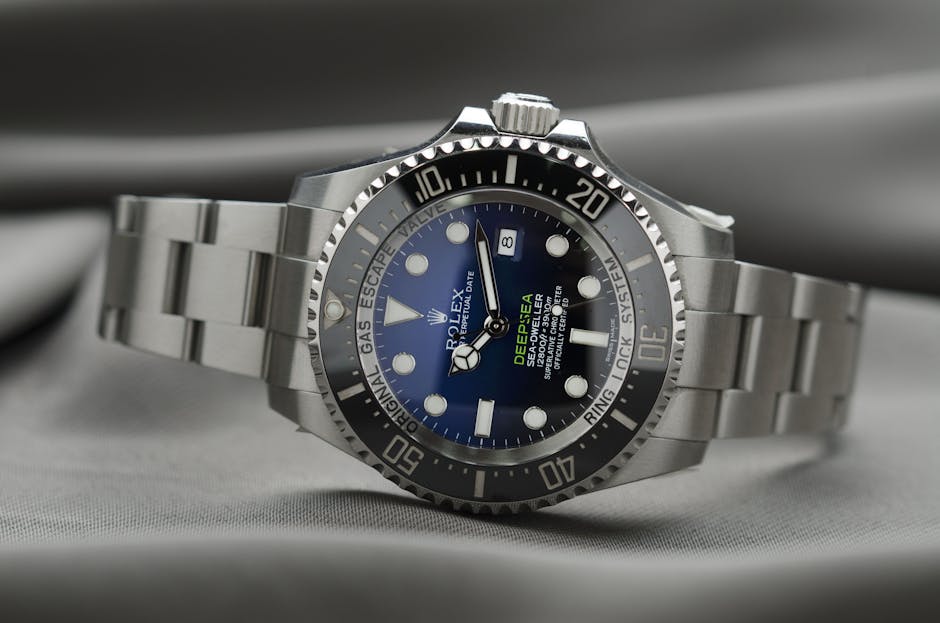
- Check the overall finishing. Look at the case, bracelet, clasp, dial, and hands. Uneven edges, rough finishing, sloppy lettering, or parts that appear poorly fitted deserve attention. But wear, damage, and past repairs can also affect a genuine watch’s appearance.
- Look closely at the dial and markings. Check whether the printing appears clean and consistent, and whether the hands and other visible components look like they belong together. A dial that seems too new for a heavily worn case may be a reason to ask about service or replacement history—not proof of a fake by itself.
- Observe how the watch operates. Note whether it runs, whether the crown and setting functions feel abnormal, and whether the seconds hand behaves as expected for that particular movement. Do not use sound or seconds-hand motion as a standalone authenticity test. A watch can need service, and counterfeits vary in construction.
- Inspect the bracelet and clasp. Look for unusual looseness, poor alignment, or inconsistent finishing. Bracelets can be replaced or repaired over a watch’s lifetime, so an unexpected bracelet is a clue to investigate, not a final answer.
- Record what came with it. Photograph the watch and any box, receipts, service documents, warranty card, or older paper certificates. Keep everything together and avoid writing on or cleaning the items.
These observations can help you prepare for an evaluation, but they cannot reliably tell you how the watch is built inside. A counterfeit can pass a quick visual inspection, and a genuine watch can fail a casual one because it has been damaged or modified.
Why Home Authenticity Tests Are Not Enough
Searches for “ spot fake Rolex” often lead to simple rules: listen for a certain sound, weigh the watch, test it with a magnet, or judge it by how smoothly the seconds hand moves. Those shortcuts are unreliable. Watch construction, condition, and service history vary. A single test may produce a misleading result, while a sophisticated fake may be designed to pass it.
Don’t put the watch in water to test its water resistance. Seals can deteriorate with age, and a genuine watch can take on water if it has not been maintained. Don’t use household chemicals, scratch tests, or improvised tools, either. These can damage the watch without answering the authenticity question.
The most important limitation is that a home inspection can’t fully examine the movement and internal components. A professional assessment may include opening the watch with the right tools and inspecting its construction, but even that should be handled by a qualified watchmaker or experienced evaluator. Ask what the inspection covers, whether the watch will be opened, and how it will be handled.
Companies such as Diamond Banc may evaluate watches as part of a broader jewelry or asset transaction. If you approach any buyer or evaluator, separate two questions: “Is this authentic?” and “What would you offer for it?” A purchase offer is not automatically a complete authentication report, and an authentication opinion is not a promise of a particular resale outcome.
Modern and Vintage Rolex Watches Have Different Pitfalls
Modern watches
Newer watches may come with a credit-card-sized warranty card. Check that the card belongs with the watch and that the information appears consistent, but remember that cards can be lost, separated from their original watch, or counterfeited. A matching-looking card does not independently authenticate the watch.
Modern examples may also have more readily available reference material online, but online images are not a substitute for an examination. Small differences can reflect production changes, service parts, or condition. Be cautious about declaring a watch fake because one detail doesn’t match a photograph found on a forum or sales listing.
Vintage watches
Older watches present different challenges. Their papers may be older paper certificates rather than a modern card, and paperwork may have been separated from the watch over many years. Dials, hands, bracelets, and other components may have been changed during repair or service. Some changes can affect collectability; others may be ordinary maintenance. The details matter.
A vintage watch can look different from an untouched example and still be genuine. Conversely, a watch assembled from genuine and non-genuine parts may require careful evaluation. Age alone does not make a watch authentic, and a worn or unusual appearance does not make it counterfeit.
This is one reason not to polish a case before an appraisal. Polishing can remove material and soften defining edges, which may affect both the watch’s condition and an expert’s ability to assess it. Leave cleaning and restoration decisions until after you’ve received advice.
What Reference and Serial Numbers Can Tell You
Reference and serial numbers are useful starting points because they can help identify a watch’s general configuration and provide clues for research. They may help an expert compare the watch with known records, relevant production information, and other components. They do not, by themselves, prove that a watch is genuine.
Numbers can be copied, altered, or paired with the wrong watch. Even when the numbers appear plausible, other details still need to be examined. Their placement and visibility can vary by watch and period, so don’t force or remove a bracelet just to look for them. If a number is visible without taking anything apart, photograph it clearly and share it with a qualified professional. If not, leave the watch intact.
These identifiers can unlock a more informed conversation: what the watch may be, which details deserve closer review, and what documentation might be relevant. They can also help an evaluator distinguish among watches that look similar at a glance. They are research tools—not a home authentication stamp.
Box and Papers: Helpful, but Not Proof
A matching box and original documentation can be useful. They may support a watch’s history, help establish that items have stayed together, and matter to some resale buyers. But “box and papers” is not a guarantee of authenticity. Boxes can be replaced, documents can be separated from their original watches, and counterfeit paperwork exists.
On newer watches, the warranty card is credit-card-sized; older watches may have paper certificates. Don’t assume that every genuine watch must have a complete set, or that a watch without papers is worthless. Missing documents may affect buyer interest or resale considerations, but they do not settle authenticity. Likewise, paperwork that appears to match is only one piece of the picture.
When someone says “papers,” clarify what they mean. Are they referring to a warranty card or older certificate, a sales receipt, service paperwork, or something else? These documents serve different purposes. A service receipt, for example, may help explain maintenance history, but it is not necessarily original proof of purchase or authentication.
Item What it may help with What it cannot prove by itself Warranty card or older paper certificate May provide information connected with the watch’s documentation and history That the card or certificate originally belongs to this watch, or that the watch is authentic Box May be part of a more complete presentation or ownership set That the watch inside is genuine or was originally sold with that box Reference and serial numbers May help guide identification and further research That the numbers are genuine, unaltered, or correctly paired with the watch Receipt or service record May add context about purchase or maintenance That every component is original or that the watch has been fully authenticatedA Safer Plan Before Seeking an Evaluation
- Photograph the watch from several angles, along with any documents and accessories.
- Write down what you know about its history, including who owned it and where it was stored.
- Keep the watch as found. Don’t polish it, open it, or remove parts.
- Ask the evaluator what their process includes and whether they can explain the basis for their findings.
- If you’re considering a sale, get clear terms and distinguish an authentication assessment from a purchase offer.
Local reporting and community resources, including the San Diego Reader, can be useful for learning about the San https://www.sandiegoreader.com/contributor/readernews/the-rolex-in-the-junk-drawer/ Diego area, but an article or online discussion cannot authenticate your individual watch. Each piece needs to be assessed on its own condition, components, and history.
The Bottom Line
You can use a careful rolex home test to spot inconsistencies, gather documentation, and avoid obvious risks. You cannot reliably confirm a Rolex at home with a magnet, a sound check, a weight comparison, a warranty card, or a box. Modern and vintage watches bring different identification challenges, and reference and serial numbers are valuable clues—not proof.
If you’re still wondering, “Is my Rolex real?”, preserve it as it is and have it examined by a qualified professional. That approach protects the watch and gives you a better answer than any kitchen-table authentication myth.